- Why you can wake up groggy even after a "full" night
- What "no grogginess" can and can't mean
- What can make a sleep aid leave you groggy
- A checklist for choosing a sleep supplement for clearer mornings
- Fix the free levers first
- Where YU Sleep fits, according to its official page
- The downsides and open questions to weigh
- What it costs and what you commit to
No sleep aid can promise you'll wake up refreshed. The best choice is usually one with a low, disclosed dose, simple timing and no sedating antihistamines, used after you've fixed schedule and habits. Whatever you pick, track your mornings for two weeks and check with a clinician if grogginess persists.
If you're looking for the best sleep aid to wake up refreshed, the first thing to know is that the product is only part of the answer. Morning grogginess comes from several places: how long you sleep, when you wake, what you take before bed and whether something else is disrupting your nights.
This guide helps you sort those causes, read a supplement label with a skeptical eye and judge any sleep aid by your own mornings. It also covers YU Sleep (Sleep and Dreams), a liquid formula whose official page says it is designed so you wake up refreshed. We haven't used it, and we describe only what the page states, along with its gaps and downsides.
This is general information, not medical advice. If you take medication, have a health condition or are pregnant, talk to a qualified professional before adding a sleep supplement.
- No sleep aid can guarantee a groggy-free morning. Dose, timing, ingredients and your own physiology all matter.
- Fix wake time, light, caffeine, alcohol and time in bed first. They are free and often decisive.
- Prefer products that disclose doses, and be wary of anything that makes you feel impaired the next day.
- Judge any aid with a two-week morning log, changing one thing at a time.
- Persistent unrefreshing sleep despite enough hours deserves a clinician's attention.
Why you can wake up groggy even after a "full" night
Grogginess is not always a sign that something went wrong. Sleep inertia is the foggy, slow feeling in the first minutes after waking, and it tends to be worse if your alarm pulls you out of deep sleep. It usually fades, but how long it lasts varies from person to person.
Other common causes have nothing to do with supplements:
- Too little time in bed. Major US health bodies generally recommend adults get roughly seven or more hours. If you're in bed for six, no sleep aid will make up the difference.
- An irregular schedule. Shifting your bedtime and wake time by hours between weekdays and weekends can leave you feeling jet-lagged on Monday.
- Alcohol. It may help you drop off, but it tends to fragment sleep later in the night.
- Late caffeine. It can reduce sleep quality even when you fall asleep without trouble.
- Disrupted breathing or other sleep disorders. Loud snoring, gasping or heavy daytime sleepiness are red flags that need a clinician, not a supplement.
- Medications and supplements. Some sedating products can carry over into the next morning.
Before you shop, spend a week noticing which of these apply to you. That tells you whether you need a sleep aid at all.
What "no grogginess" can and can't mean
You'll see phrases like "sleep aid without morning grogginess" and "wake up refreshed supplement" across the category. Treat them as marketing positioning, not a measured outcome. Nobody can promise how a product will feel for you, because the effect depends on your dose, timing, body, other medications and sleep debt.
A more realistic goal is a lower chance of a heavy, drugged feeling and a clear way to find out whether a product suits you. That means picking something with understandable ingredients, using it at the right time and keeping notes. It also means being willing to stop if your mornings get worse.
What can make a sleep aid leave you groggy
The table below summarises general patterns. It isn't a verdict on any specific product.
| Factor | Why it can cause morning drowsiness | What to check |
|---|---|---|
| Sedating antihistamines (common in over-the-counter "PM" products) | They can cause next-day drowsiness and a "hangover" feeling in some people | Read the active ingredient list; ask a pharmacist if unsure |
| High-dose melatonin | Larger amounts, or taking it too close to your wake time, may leave some people drowsy in the morning | Look for a stated dose and compare it with what your clinician suggests |
| Taking it too late | Less time between the dose and your alarm | Follow label timing and allow a full night in bed |
| Stacking aids | Combining several sedating products adds up | Change one thing at a time |
| Undisclosed amounts | You can't tell what dose you're getting or adjust it sensibly | Prefer labels that list every dose |
| Alcohol the same evening | It can add to sedation and disrupt sleep | Avoid combining it with sleep aids unless a clinician says otherwise |
Format matters a little too, mostly through convenience and dose control rather than magic. If you want to compare drops, gummies, capsules and powders, see our comparison of sleep aid types. For a direct look at dose control, there's also sleep drops vs capsules.
A checklist for choosing a sleep supplement for clearer mornings
- Start with the dose you can see. If a label hides amounts behind a blend, you can't judge it or adjust it.
- Be cautious with sedating antihistamines. They are a known source of next-day drowsiness for some people.
- Know the melatonin amount. If a product contains melatonin, it should say how much. Many products on the market use higher amounts.
- Check every ingredient against your health. Allergies, medications and conditions matter, so check these with a pharmacist or clinician first.
- Read the directions for timing. Note how long before bed to take it, then work backwards from your alarm.
- Understand the commitment. Look at minimum order size, price over time and the refund terms in full.
- Be wary of miracle language. "Permanent fix," "sleep like a baby" and guaranteed outcomes should lower your trust.
- Plan your exit. Know how you'll tell if it isn't working, and when you'll stop.
Fix the free levers first
These habits address several of the causes above at no cost, and they make any supplement easier to evaluate. If you change nothing else, change these for two weeks.
- Anchor your wake time. Keep it within about an hour every day, including weekends.
- Get daylight soon after waking. Even a short walk outside helps signal morning to your body clock.
- Set a caffeine cut-off. Many people do better with none in the afternoon.
- Limit evening alcohol. Notice how your mornings differ on nights you skip it.
- Protect your time in bed. Count backwards from your alarm so you have a realistic sleep window.
- Keep the room cool, dark and quiet. Small changes help.
We cover these in more detail in Sleep Better Without Buying Anything. If your problem is waking through the night rather than waking groggy, Trouble Sleeping Through the Night explains common causes and signs.
See the details, current pricing and who it suits.
Check current optionsAffiliate link: we may earn a commission at no extra cost to you.Where YU Sleep fits, according to its official page
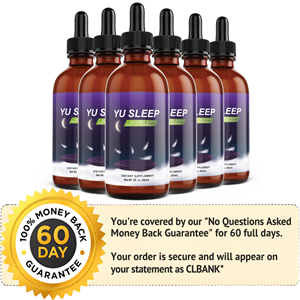
YU Sleep (also written "YuSleep") is described on its sales page as a "delicious, all-natural nano-enhanced sleep formula." It's a liquid taken with a dropper, and the page's directions are "2 droppers of Yu Sleep 30 minutes before bed."
The page says it is designed to help you fall asleep faster, stay asleep (it mentions 3 AM wake-ups) and wake up refreshed. It positions itself against "high-dose melatonin or synthetic supplements" that can leave people groggy, saying it uses plant-based ingredients that work with your natural rhythm. Its stated mechanism is supporting the brain's "sleep pressure system," which the FAQ describes as supporting adenosine buildup, optimising natural melatonin release and calming the nervous system.
The ingredients as listed
The page lists ten ingredients, counting B6 and B2 separately: Red Tart Cherry Extract, 5-HTP, Vitamin B6, Vitamin B2, Magnesium Glycinate, Apigenin, Lemon Balm Extract, L-Theanine, Melatonin and GABA. The only dose the page gives is 0.9 mg of melatonin per serving. For a closer look at each ingredient, see What's Inside YU Sleep.
That 0.9 mg figure is the most relevant fact for the grogginess question. It is lower than the amounts in many melatonin-only products, and it fits the page's pitch. But a low melatonin dose does not guarantee a clear morning, because the other nine ingredients have no disclosed amounts and everyone responds differently.
Who runs it and what backs it
The text we reviewed does not name a company, address or support contact. The page credits "Dr. Collins" and refers to "decades of research," but it gives no credentials, institution or cited studies that we could see. We therefore treat the science language as the page's own claims, not as established evidence about this product. We also don't repeat the testimonials or review-count figures on the page, since we can't verify them.
 Recommended for youSleep Aid Types Compared: Drops, Gummies, Capsules and Powders
The downsides and open questions to weigh
An honest look at any product includes what you can't know. For YU Sleep, these are the main points to consider.
- Most doses are undisclosed. Only melatonin has a stated amount. You can't judge whether the other ingredient amounts are meaningful, and you can't easily adjust. Our page on ingredient amounts and proprietary blends goes deeper.
- No cited studies. The page refers to research but, in the text we reviewed, points to none.
- No smaller trial size. The page says it isn't sold in packs smaller than two months. That is a real commitment for something you haven't tried.
- Refund terms aren't visible to us. The page advertises a 60-day guarantee on each package, but the extracted text gives no conditions. Read the full terms before buying.
- Unclear disclaimers. We did not see a disclaimer in the text we reviewed, so check the full page footer.
- Mixed ingredient profile. Ingredients such as 5-HTP and melatonin are not right for everyone. This is especially relevant if you take antidepressants or other medications, so speak with a pharmacist or clinician.
- Timeline claims. The page says most people notice changes within days, some on night 1, and that a "full sleep system reset" takes 3 to 6 months. These are the page's claims, not guarantees. They also run longer than a 60-day guarantee window, so check how the terms handle that.
For allergy, medication and condition checks, see Who Should Skip YU Sleep: Ingredient Allergies and Sensitivities and Sleep Supplements and Medications. For the full picture on safety, there's YU Sleep Safety, Side Effects and Practical Questions.
What it costs and what you commit to
Prices below are as shown on the official page when we reviewed it. They are marked "While Supplies Last" and "Discounted," so treat them as subject to change and confirm on the official page. Shipping is shown explicitly only on the 2-month package; shipping may apply, so check at checkout.
| Package | Page's discount | Price per unit | Total shown | Bonuses |
|---|---|---|---|---|
| 2-month | 30% off, save $60 | $69 (from $99) | $138 (from $198) + shipping | Not listed |
| 3-month | 40% off, save $120 | $59 (from $99) | $177 (from $297) | Three bonuses |
| 6-month | 50% off, save $300 | $49 (from $99) | $294 (from $594) | Three bonuses |
The page says the 6-month package works out to "$1.60" per night. We can't verify that figure, because the extracted text doesn't show a serving count or bottle size. The bonuses on the 3-month and 6-month packages are an ebook and audio sleep stories collection, a nightly rituals ebook and a guide to bedtime snacks to avoid. They may be useful wind-down material, but they are not what determines whether you wake up clear-headed.
Each package is labelled "60 Day Guarantee." If you want to compare packages and the refund question in more depth, see YU Sleep Price: What It Costs and What Each Package Includes and Buying YU Sleep: Price, Where to Buy and Refunds. The shipping side is covered in YU Sleep Shipping.
How to judge any sleep aid in two weeks
The best test of whether a sleep aid helps you wake up refreshed is your own data, gathered in a fair way. This method works for YU Sleep or any other product.
- Run a baseline week with no new product. Keep your usual routine and write down bedtime, wake time and a 1-to-5 rating for how alert you feel 30 minutes after waking.
- Fix your schedule during the baseline. A steady wake time makes the comparison cleaner.
- Add one product at a time. Follow the label directions exactly, and avoid changing caffeine, alcohol or bedtime in the same week.
- Keep logging for at least one to two weeks. Add a note for anything unusual, such as late meals, stress, travel or illness.
- Look for patterns, not single nights. A single great or poor morning proves little.
- Decide in advance what counts as failure. For example, if mornings are heavier or you feel impaired, stop.
- Check the clock on guarantees. If a product has a refund window, note the date you must decide by, and read what the terms require.
If you want help narrowing down a product that suits your pattern, our YU SLEEP (Sleep and Dreams): is it right for you? page walks through who it may and may not suit. For other goals, see best sleep aids to fall asleep faster and best sleep aids to stop waking at 3am. You may also want to see how YU Sleep compares in YU Sleep vs Alternatives.
When grogginess is a reason to see a clinician
Supplements can't fix everything, and chasing a product can delay a proper diagnosis. Consider speaking with a doctor if any of these apply:
- You spend enough time in bed but wake exhausted most days.
- A partner notices loud snoring, pauses in breathing or gasping.
- You fall asleep unintentionally during the day or while driving.
- You wake with headaches, a dry mouth or racing heart most mornings.
- Your mood, memory or focus are noticeably worse.
- You take prescription medication, have a chronic condition or are pregnant or breastfeeding.
Our guide on when to see a doctor about sleep problems lists red flags in more detail. If you decide to ask about a supplement, How to Talk to Your Doctor About Sleep Supplements offers a checklist of questions to bring.
Next steps
Start with the free changes: a steady wake time, morning light, a caffeine cut-off and enough hours in bed. Then, if you still want a supplement, use the checklist above, check the ingredients against your health and keep a simple morning log.
If you're considering YU Sleep, confirm current prices, shipping and the full guarantee terms on the official page before buying. Then read Who YU Sleep Is For (and Who Should Skip It) and YU Sleep Reviews, Complaints and Trust to round out your decision.
Frequently asked questions
What is the best sleep aid to wake up refreshed?
There is no single best option, and no product can guarantee a refreshed morning. Look for a disclosed, modest dose, no sedating antihistamines, a sensible bedtime window and a way to stop easily. Fix schedule, caffeine and light habits first, then judge any aid by two weeks of morning notes.
Why do I feel groggy after taking a sleep aid?
Common causes include sedating ingredients that linger into the morning, melatonin taken too late or at a high dose, too few hours in bed, alcohol, and an untreated sleep disorder. Waking suddenly from deep sleep can also cause temporary grogginess called sleep inertia, with or without a supplement.
Is there a sleep supplement with no grogginess?
No supplement can be guaranteed grogginess-free, because responses vary by person, dose, timing and health. Some people find lower-dose or non-sedating formulas easier on their mornings. Test one change at a time, and stop and speak to a clinician if you feel impaired the next day.
Does YU Sleep cause morning grogginess?
We haven't used it, and we don't know. The official page positions it against groggy high-dose melatonin and states 0.9 mg of melatonin per serving. It does not disclose doses for the other nine ingredients, so individual responses can't be predicted. Track your own mornings if you try it.
How long before bed should I take a sleep aid?
Follow the label for your specific product. The YU Sleep page directs 2 droppers 30 minutes before bed. Taking any sleep aid too close to your wake time, or without allowing a full night in bed, is a common reason people feel foggy the next morning.
Can I wake up refreshed without a sleep aid?
Often, yes. A consistent wake time, morning light, limiting caffeine and alcohol, a cool dark bedroom and enough time in bed address many causes of groggy mornings. If you still wake unrefreshed after a few weeks, ask a clinician about conditions like sleep apnea.
How do I know if morning grogginess is a medical problem?
See a clinician if you regularly get enough time in bed yet feel exhausted, snore loudly, stop breathing or gasp at night, fall asleep during the day, or feel unsafe driving. These can point to conditions that supplements will not fix.
Keep reading
 Best Sleep Aid to Fall Asleep Faster: Top Picks by FormatLooking for the best sleep aid to fall asleep faster? Compare drops, gummies, capsules and powders,…
 Best Sleep Aid to Stop Waking Up at 3am: Top Picks by FormatLooking for the best sleep aid for waking up at 3am? Compare drops, capsules and gummies, plus down…
 What's Inside YU Sleep: Ingredients and How It WorksYU Sleep ingredients explained: the 10 listed ingredients, the one disclosed dose, how the page say…