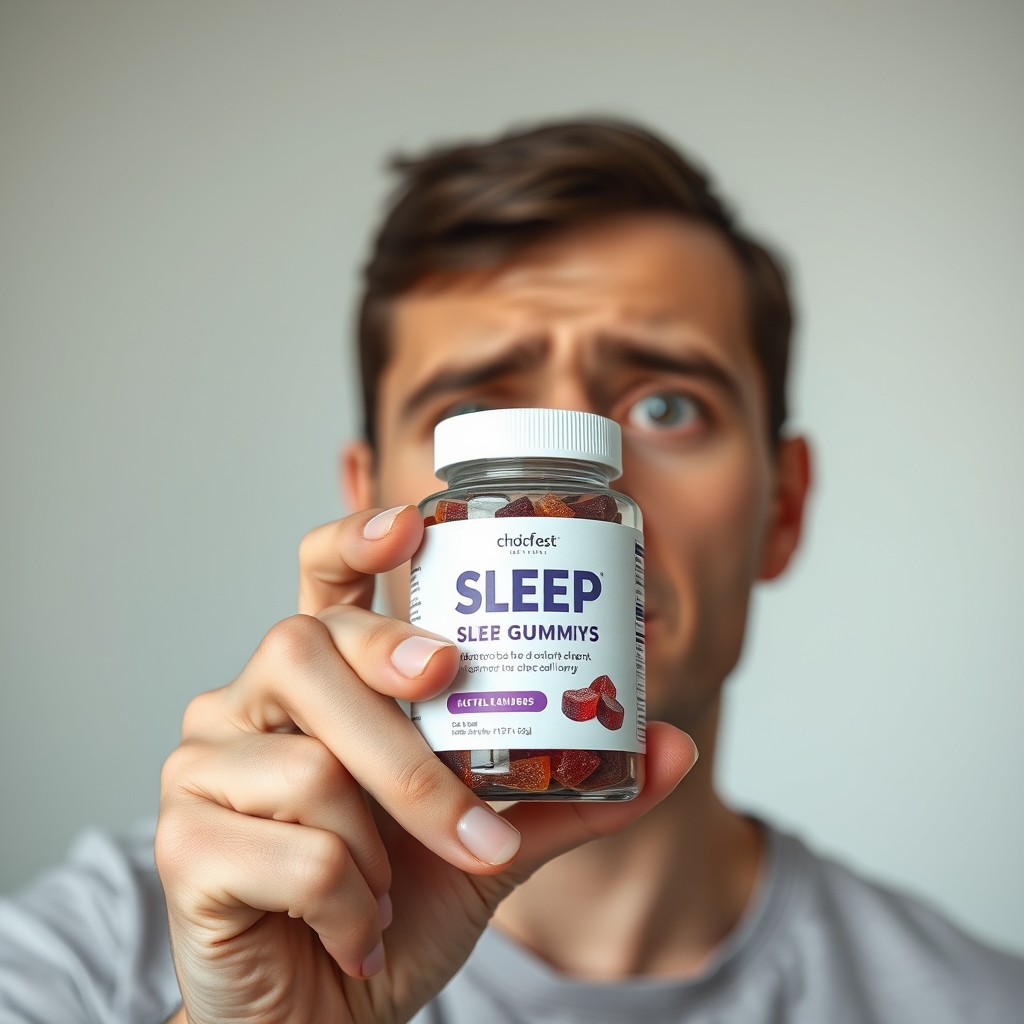
For many healthy adults, a low-dose sleep gummy taken nightly for a short period is unlikely to cause serious harm, but long-term safety is less well studied. Sugar, melatonin dose and label accuracy are the main concerns. Check with a clinician if you take medication, are pregnant or have a health condition.
For many healthy adults, taking a low-dose sleep gummy every night for a short stretch is unlikely to cause serious harm. The catch is that long-term nightly use is less well studied, gummies usually add sugar, and the amount of active ingredient on the label is not always what is inside.
So the better question is not only "is it safe?" but "what am I taking, how much, and why do I still need it?" This page helps you check sleep gummies, including sleep gummies sugar content, before making nightly use a habit.
This is general information, not medical advice. A pharmacist or doctor can account for your medicines and health history.
- Short-term nightly use is common; long-term safety data is thinner.
- Sugar, dose accuracy and ingredient overlap are the main gummy-specific issues.
- Needing a gummy every night is a cue to look at the cause of poor sleep.
Can you take sleep gummies nightly?
Many people do, and most gummies use ingredients such as melatonin, L-theanine, chamomile or magnesium at modest doses. Whether that is fine for you depends on the doses, your health and what else you take.
Nightly use for a few weeks while you fix a routine is a different situation from open-ended use for years. For the longer view on one common ingredient, see our page on long-term melatonin safety, tolerance and myths.
Sleep gummies sugar content: what to check
Gummies need something to make them chewy and sweet, so many contain added sugar, glucose syrup or sugar alcohols. The amount varies widely by brand, so read the panel rather than assuming.
- Find the serving size. It may be two gummies, not one.
- Look at "Added Sugars" per serving, then multiply by what you actually eat.
- Check the other ingredients for syrups, sugar alcohols (sorbitol, maltitol) and sweeteners.
- Note that sticky sugar sits on teeth overnight; take the gummy before you brush.
A few grams a night is small in a day's diet, but it is a nightly habit. If you have diabetes or manage blood sugar, ask a clinician before adding any sweetened supplement.
Other risks of nightly gummies
| Concern | Why it matters | What to do |
|---|---|---|
| Dose accuracy | Public research on melatonin gummies has found labels that did not match contents. | Prefer products with independent testing. |
| Stacking | Taking a gummy plus another supplement can double up on melatonin or magnesium. | List every active ingredient you take. |
| Morning grogginess | Too high a dose or too late a time can leave you foggy. | Use the lowest dose and take it earlier. |
| Digestive upset | Sugar alcohols and some herbs can cause stomach issues. | Stop and reassess if symptoms appear. |
| Looks like candy | Children may eat them by accident. | Store out of reach. |
Who should check with a professional first
- Anyone pregnant, trying to conceive or breastfeeding.
- Parents considering gummies for a child.
- People taking prescription medicines, especially sedatives, blood thinners, or medicines for blood pressure, diabetes or seizures.
- Anyone with a chronic condition, or who drives or works with machinery soon after waking.
Also get evaluated if you snore loudly, gasp during sleep or feel very sleepy by day. A supplement will not address sleep apnea.
 Recommended for youSleep Drops vs Gummies: Which Format Works Better?
A sensible way to use gummies nightly
- Start with the lowest labeled dose, not the highest.
- Take it at a consistent time before bed, following the label.
- Set a review date, such as two to four weeks, and note how you feel in the morning.
- Take occasional nights off to see how you sleep without it.
- If you still need it nightly, talk to a clinician.
See the details, current pricing and who it suits.
Check current optionsAffiliate link: we may earn a commission at no extra cost to you.When gummies are not the right format
If sugar or dose control bothers you, other formats may suit you better. Capsules and powders avoid the candy-like sugar, and drops let you adjust the amount. Our drops vs gummies comparison and the guide to sleep aid types lay out the trade-offs.
One liquid option is Yu Sleep, which the official page describes as a dropper formula and which lists melatonin at 0.9 mg per serving among its ingredients. It is not a gummy, and the same cautions apply: check the label, confirm details on the official page, and ask a professional if you have health concerns. Our page on whether YU SLEEP is right for you covers fit, and YU Sleep safety and practical questions covers cautions.
Fix the cause, not just the symptom
If you need a supplement every night, something else may be keeping you awake. Irregular hours, late caffeine, evening screens and stress are common culprits, and none of them are solved by a gummy.
- Try a gradual sleep schedule reset.
- Learn CBT-I basics you can do at home, a well-regarded approach to insomnia.
- Review ways to sleep better without buying anything.
- Check how workout timing affects sleep.
Next steps
Read your gummy's label for sugar, serving size and melatonin dose, then decide on a review date. If you want alternatives, see sleep aids without melatonin or top picks to fall asleep faster. If trouble persists, our guide to causes and signs can help you decide when to see a clinician.
Frequently asked questions
Can you take sleep gummies nightly?
Many healthy adults do, and short-term nightly use of low-dose ingredients is generally considered low risk. Long-term data is thinner, and gummies add sugar. If you need them every night for weeks, treat that as a signal to look at the cause of your sleep trouble and speak with a clinician.
How much sugar is in sleep gummies?
It varies by brand. Some gummies contain a few grams per serving from sugar, syrups or both, while others use sugar alcohols or sweeteners. Check the Supplement Facts panel for added sugars and the serving size, since the serving is often more than one gummy.
Can sleep gummies make you dependent?
Melatonin is not generally described as habit-forming in the way sedative medicines can be, but people can come to rely on a bedtime routine or product. Ingredients differ between gummies, so read the label. If stopping makes your sleep worse for more than a few nights, ask a clinician.
Are sleep gummies bad for your teeth?
They can be, because sticky, sugary products cling to teeth. If you take them nightly, consider taking them before you brush rather than after. Sugar-free versions reduce the sugar issue, though some sweeteners can upset digestion for certain people.
Who should not take sleep gummies every night?
People who are pregnant or breastfeeding, give them to children, take prescription medicines, or have a medical condition should check with a qualified professional first. Anyone with ongoing insomnia, loud snoring or daytime sleepiness should also get evaluated.
Are the doses on gummy labels accurate?
Not always. Public research on melatonin gummies has found products whose actual content differed from the label, sometimes by a wide margin. Independent third-party testing seals can help, though they are not a guarantee.
Is there a sugar-free alternative to sleep gummies?
Yes. Capsules, powders and liquid drops generally avoid the sticky sugar of gummies, though each format has its own trade-offs. Our format comparison pages explain how they differ in convenience and dose control.
Keep reading
 Sleep Drops vs Capsules: Absorption, Convenience and Dose ControlSleep drops vs capsules: compare absorption, convenience and dose control, plus a checklist to help…
 Sleep Drops vs Powder: Which Is Easier to Use Nightly?Sleep drops vs powder: compare measuring, taste, mixing, travel and cost to see which format is eas…
 Best Sleep Aid to Fall Asleep Faster: Top Picks by FormatLooking for the best sleep aid to fall asleep faster? Compare drops, gummies, capsules and powders,…
