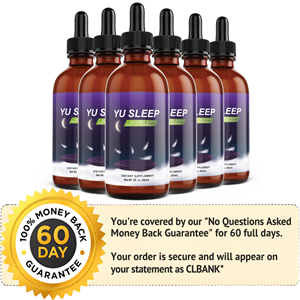
- Sleep drops vs capsules at a glance
- Liquid vs capsules sleep aid: what absorption really means
- Convenience: taste, travel and your nightly routine
- Dose control: dropper accuracy vs fixed capsules
- Which format suits which person?
- How Yu Sleep fits into the drops vs capsules question
- Safety checks that apply to both formats
- A checklist for choosing between drops and capsules
Sleep drops vs capsules mostly comes down to routine, not magic. Liquids may start working a little sooner for some people, but public evidence for a big absorption gap is thin. Capsules give a fixed dose with less fuss, while drops allow adjustment but need careful measuring. Pick on dose clarity, taste, and what you will actually do nightly.
If you are weighing sleep drops vs capsules, you are really asking three things: does the format change how well it works, which one is easier to live with every night, and which gives you more control over the amount. The honest answer to the first is "probably less than marketing suggests." The second and third are where the formats genuinely differ.
This guide compares liquid and capsule sleep aids on absorption, convenience and dose control. It also covers where the Yu Sleep liquid fits, using only what its official page states. We have not used the product, and we do not know of public research that settles drops versus capsules for sleep outcomes, so we say where the evidence runs out.
Use the checklists to decide for yourself. If you take prescription medication, are pregnant, or have a health condition, a pharmacist or doctor should look at any label before you start.
- Absorption: A liquid can skip the capsule-dissolving step, but a meaningful real-world gap in sleep results is not established.
- Convenience: Capsules win on taste, travel and speed. Drops win if you dislike swallowing pills.
- Dose control: Capsules are fixed and simple. Drops are adjustable but easier to mismeasure.
- The label matters more than the format: Ingredients, amounts, and what else is in the bottle drive most of the difference.
Sleep drops vs capsules at a glance
Here is the short comparison before the detail. It is a general guide to formats, not a claim about any one product.
| Factor | Drops (liquid, dropper) | Capsules |
|---|---|---|
| Start of absorption | No shell to dissolve; may begin slightly sooner | Shell must break down first |
| Taste | You taste it; flavor varies | Mostly none |
| Dose precision | Depends on filling the dropper the same way each time | One capsule is one fixed unit |
| Flexibility | Easier to take a partial amount (if the label allows) | Limited to whole capsules, or to opening them (not always advised) |
| Swallowing | Easier for people who dislike pills | Harder for some people |
| Travel | Bottle and dropper; possible leaks | Compact and spill-proof |
| Additives | Often needs flavorings or carriers; check the label | May use fillers and a shell; check the label |
| Shelf life after opening | Follow the label's storage notes | Generally simple storage |
For the wider picture, including gummies and powders, see our pillar guide on sleep aid types compared.
Liquid vs capsules sleep aid: what absorption really means
Absorption is the main reason people prefer drops. The idea is simple: a capsule has to dissolve before its contents can be taken up, while a liquid is already dissolved or suspended. That can mean a slightly earlier start.
The catch is that "slightly earlier" is not the same as "noticeably better sleep." How much of an ingredient reaches your bloodstream, and how fast, depends on the ingredient itself, how it was formulated, and whether you took it with food. We did not find solid head-to-head research comparing liquid and capsule forms of multi-ingredient sleep supplements on sleep outcomes. Be wary of anyone who states a precise absorption advantage without a study to point to.
What about "nano-enhanced" and sublingual claims?
The Yu Sleep page describes its formula as "nano-enhanced." The text we reviewed did not cite studies to support what that means for absorption, so we cannot confirm it. Treat it as the seller's description and look for a plain explanation before you let it drive a purchase.
Sublingual absorption, where a liquid is held under the tongue, is a separate matter. It only applies if a product is designed and labeled that way. The directions we saw for Yu Sleep say "2 droppers of Yu Sleep 30 minutes before bed," and the text did not say to hold it under the tongue. Follow the label, not an assumption.
Convenience: taste, travel and your nightly routine
The best format is the one you will still be using in three weeks. Convenience sounds minor, but it decides whether a supplement is taken consistently or abandoned in a drawer.
Where capsules are easier
- No taste: You swallow and move on, which helps if flavors bother you.
- Portable: A small bottle or pill case fits a bag, and nothing leaks on a flight.
- Fast: No measuring, no sticky dropper, no rinsing.
Where drops are easier
- No pills to swallow: This matters if you have trouble with capsules or find them uncomfortable.
- A built-in wind-down step: Measuring a dose can become part of a calm routine, though that is a habit effect, not a proven one.
- Flexibility: You can sometimes take a smaller amount, if the label permits it.
Where drops are harder
You have to taste the product every night, and not everyone likes it. The Yu Sleep page calls its formula "delicious," but that is the seller's wording. If taste matters to you, read our page on Yu Sleep drops taste and texture complaints before ordering. You also need to handle a bottle and dropper at bedtime, which is a small hassle when you are tired.
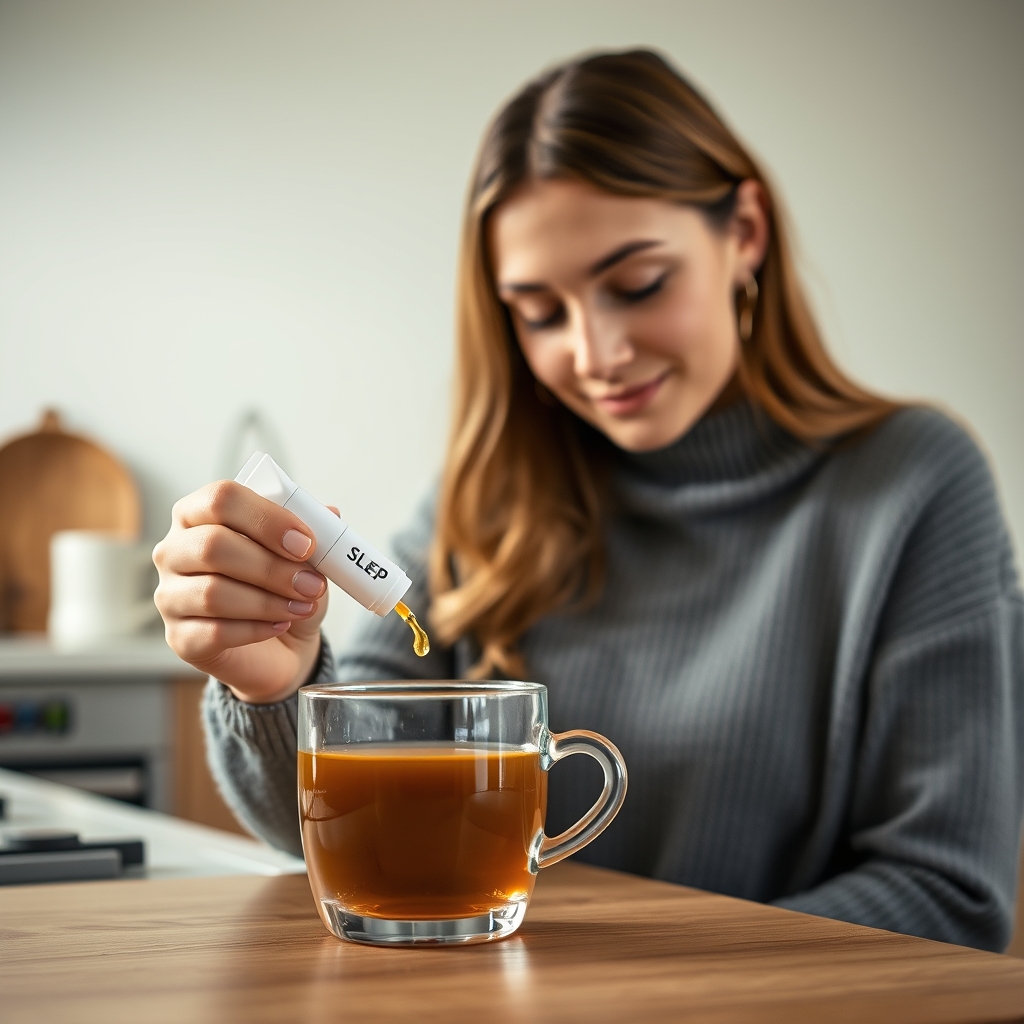
If you are curious about mixing liquids into a drink to mask flavor, check the label first and read can you mix sleep drops into water or tea. Diluting is not always appropriate, and it can change how much you actually take.
Dose control: dropper accuracy vs fixed capsules
Dose control is where the two formats differ most in practice. A capsule is a fixed unit: if the label says one capsule, you take one. Drops put the measuring in your hands.
Why dropper doses can drift
A "dropper" is a measurement tool with some wobble in it. The amount you draw can change with how hard you squeeze the bulb, whether air gets in, how full you fill it, and whether you tilt it. Over weeks that can add up to meaningfully different amounts, especially if you eyeball it half-asleep.
Dosing instructions for liquids are also easy to misread. "Two droppers" depends on what counts as a full dropper for that bottle. The Yu Sleep directions we saw say "2 droppers," and the text we reviewed did not specify a volume, so the bottle's own markings and label are what you should rely on.
The label-accuracy problem applies to every format
Published analyses of melatonin supplements have found that the amount in the bottle can differ substantially from what the label states, across several product types. That is a quality-control issue, not a format issue, and it is a reason to favor brands that are transparent about amounts and testing. The Yu Sleep page states 0.9 mg of melatonin per serving. It gives no amounts for the other nine listed ingredients in the text we reviewed, and we did not see a full supplement facts panel. See what's inside Yu Sleep for how we read the ingredient list.
Steps for measuring drops consistently
- Read the directions on the bottle and note the stated amount and timing.
- Take the dose at the same time each night so you can compare nights fairly.
- Fill the dropper to the same level each time, with the bottle upright and the dropper held steady.
- Measure under decent light, not in the dark, so you do not overfill.
- Do not "top up" if you do not feel anything. Taking extra is not the same as taking the label dose.
- Keep a simple log for a few weeks: time taken, amount, when you fell asleep, and how you felt in the morning.
See the details, current pricing and who it suits.
Check current optionsAffiliate link: we may earn a commission at no extra cost to you.Which format suits which person?
Use this as a quick filter, not a rule. Your own health and medications can override any of it.
Capsules may suit you if you:
- Want the simplest possible routine with no measuring.
- Dislike flavors or strong aftertastes.
- Travel often or keep supplements in a bag.
- Prefer a clearly fixed dose per unit.
Drops may suit you if you:
- Find pills hard to swallow.
- Like a ritual that signals bedtime.
- Want to adjust the amount, within what the label and a professional allow.
- Do not mind the taste, or can tolerate it.
Consider neither yet if you:
- Have not tried basic sleep habits first. Our guide to sleeping better without buying anything is a free place to start.
- Wake often through the night and have not looked at possible causes. See trouble sleeping through the night.
- Have loud snoring, breathing pauses, or heavy daytime sleepiness. Those warrant a medical check, not a supplement.
 Recommended for youSleep Aid Types Compared: Drops, Gummies, Capsules and Powders
How Yu Sleep fits into the drops vs capsules question
Yu Sleep is a liquid taken by dropper, according to its official page. The page describes it as an all-natural, nano-enhanced formula, and lists ten ingredients: red tart cherry extract, 5-HTP, vitamin B6, vitamin B2, magnesium glycinate, apigenin, lemon balm extract, L-theanine, melatonin and GABA. The only dose stated is 0.9 mg of melatonin per serving. As far as we can see, there is no capsule version, so the choice here is the liquid or a different product.
The page says it is designed to help people fall asleep faster, stay asleep, and wake up refreshed, and it positions itself against high-dose melatonin products that can leave people groggy. Those are the seller's claims. The page does not cite studies for the formula, and we cannot verify the outcomes it suggests. Individual results vary, and a liquid format does not on its own make a formula more effective.
If you want to see whether it matches your situation, our page on whether YU SLEEP is right for you walks through the fit questions. For ingredient-level cautions, read YU Sleep safety, side effects and practical questions, and who YU Sleep is for (and who should skip it).
Downsides to weigh with the liquid format
- Taste is unavoidable. You cannot skip it the way you can with a capsule.
- Dosing relies on you. The directions say 2 droppers, and consistent filling is up to you.
- Missing details. The text we reviewed showed no full supplement facts panel, serving count or bottle size, so you cannot easily check how long a bottle lasts or what the total ingredient amounts are. Confirm these on the official page.
- Commitment. The page says it sells only packages of two months or more, so there is no small trial size.
On money, the page lists a 2-month package reduced from $198 to $138 plus shipping, a 3-month package at $177, and a 6-month package at $294, and says the 6-month option works out to $1.60 per night. It also says "While Supplies Last," and advertises a 60-day guarantee without terms in the text we saw. Prices can change and shipping may apply, so check at checkout, and read the full guarantee terms before buying. For more detail see buying YU Sleep: price, where to buy and refunds and YU Sleep cost per night vs other sleep aids.
Safety checks that apply to both formats
The format does not change the safety questions. The ingredients do. A few general points worth raising with a doctor or pharmacist before starting any sleep supplement:
- Medications: Some ingredients can interact with prescriptions. 5-HTP, for example, is commonly flagged for people taking antidepressants or other serotonin-affecting drugs. Our page on combining YU Sleep with sleep medication explains why this is a doctor conversation.
- Specific conditions: Seizure disorders, blood pressure treatment, and ADHD medication all raise questions. See YU Sleep and seizure disorders, YU Sleep and blood pressure medication, and YU Sleep and ADHD medication or stimulants.
- Pregnancy, nursing and children: Ask a clinician first. General information is not a substitute for personal advice.
- Older adults: Sensitivity to sleep aids can differ. See YU Sleep for seniors.
- Morning grogginess: Any sleep aid can leave some people foggy. If that happens, review YU Sleep morning grogginess complaints and talk to a professional rather than adjusting the dose yourself.
The page does not state who should avoid the product in the text we reviewed, and we did not see a medical disclaimer there. It may appear in the footer, so check the full page. Persistent insomnia lasting weeks deserves a medical conversation regardless of what you take.
A checklist for choosing between drops and capsules
Run through these before you buy anything.
- Read the full ingredient list and amounts. If amounts are missing, treat that as a gap and look for them on the official page.
- Check what else is in it. Look for sweeteners, flavorings, carriers, and allergens in a liquid, and for fillers or shell materials in a capsule.
- Be honest about taste and swallowing. Pick the format you will actually take every night.
- Ask how the dose is measured. A fixed capsule is simpler. A dropper needs a consistent habit.
- Look for third-party testing information. It helps with label accuracy in either format.
- Check the commitment. Minimum package sizes, shipping, and refund terms matter as much as the format.
- Talk to a pharmacist or doctor if you take any medication or have a health condition.
- Set a trial window and a log. Judge it on a few weeks of notes, not one night.
Drops vs the other formats
Capsules are not the only alternative. Gummies trade precision for taste, and powders trade convenience for flexibility. If you are still deciding, compare sleep drops vs gummies and sleep drops vs powder. If gummies are on your list, also read whether it is safe to take sleep gummies every night.
Next steps
Pick your format by routine and dose clarity first, then judge the specific product by its label, not its format. If your main goal is falling asleep faster, see best sleep aid to fall asleep faster. If 3 AM wake-ups are the issue, read best sleep aid to stop waking up at 3am. If grogginess worries you, try best sleep aid to wake up refreshed.
If you are considering a specific liquid, compare it with other options in YU Sleep vs alternatives, and check the official page for current pricing and full guarantee terms before you commit.
Frequently asked questions
Are sleep drops absorbed faster than capsules?
Sometimes, in theory. A liquid skips the step of a capsule shell dissolving, so it can start absorbing a little sooner. But we found no strong head-to-head research showing this changes how fast you fall asleep. Formulation, an empty or full stomach, and the ingredients matter as much as the format.
Is a liquid sleep aid better than pills?
Not automatically. Liquids suit people who dislike swallowing pills or want flexible dosing, while capsules suit people who want a fixed, tasteless dose. Neither format is proven superior for sleep outcomes. The ingredients, their amounts, and whether you take them consistently usually matter more than the delivery form.
Which is easier to dose accurately, drops or capsules?
Capsules, usually. One capsule is one unit, so there is little to measure. Drops depend on filling the dropper correctly each night, and the amount can vary with how you squeeze or tilt it. If you choose drops, follow the label's stated amount and fill to the same mark every time.
Does Yu Sleep come in capsules?
The official page we reviewed describes Yu Sleep as a liquid taken by dropper, with directions of 2 droppers 30 minutes before bed. It did not show a capsule version. If that matters to you, confirm what formats are currently offered on the official page before ordering.
Can I switch between sleep drops and capsules?
You can, but treat it as starting a new product. Ingredients, amounts and additives differ between formulas, so a straight swap is not guaranteed to be equivalent. Check both labels, avoid stacking the two, and ask a pharmacist or doctor if you take medication or have a health condition.
Do sleep drops taste bad compared with capsules?
Capsules mostly avoid taste, which is their main convenience advantage. Drops have a flavor you cannot skip, and some people find certain liquids too sweet or herbal. The Yu Sleep page calls its formula delicious, but taste is personal, so treat that as the seller's description, not a guarantee.
Are sleep drops safe to take every night?
It depends on the ingredients, your health, and any medications, not on the format. Supplements containing melatonin or 5-HTP deserve extra care, especially alongside other medicines or in pregnancy. A doctor or pharmacist can review the label with you. Stop and seek advice if you notice troubling side effects.
Keep reading
 Sleep Drops vs Gummies: Which Format Works Better?Sleep drops vs gummies compared on dose control, taste, sugar, convenience and label accuracy, plus…
 Sleep Drops vs Powder: Which Is Easier to Use Nightly?Sleep drops vs powder: compare measuring, taste, mixing, travel and cost to see which format is eas…
 Can you mix sleep drops into water or tea?Can you mix sleep drops in water or tea? Here is what the Yu Sleep page says, what to check first,…