- Why you wake at 3am (and why a supplement may not fix it)
- Before you buy any sleep aid: a two-week checklist
- Top picks by format: drops, capsules, gummies and powders
- Yu Sleep: a liquid option for staying asleep
- Ingredients people look for with early waking
- Timing and habits that matter more than the bottle
- Safety: who should speak to a professional first
- How to decide: a short framework
No single product is proven to be the best sleep aid for waking up at 3am. Format, timing, ingredients and the cause of your waking all matter. Start by tracking the pattern, fix common triggers, then compare formats. If you try a supplement, check the label and talk to a clinician if you take medication.
If you are searching for the best sleep aid for waking up at 3am, you have probably already learned that falling asleep and staying asleep are different problems. Many products are built around the first one. Early or middle-of-the-night waking is harder to target, and it often has causes a supplement cannot touch.
This guide sorts the options by format (drops, capsules, gummies and powders), explains what to check before you spend money, and covers one liquid option, Yu Sleep, using only what its official page says. We have not used any of these products, and we do not rank any of them as proven.
Each pick comes with downsides, because that is where good decisions get made.
- No sleep aid is proven to stop 3am waking. The cause matters more than the format.
- Track your waking pattern for a couple of weeks and fix common triggers (alcohol, late caffeine, late meals, light) before you buy anything.
- Choose a format you will take consistently, with a label that lists amounts.
- Be cautious with minimum-purchase offers. Confirm the price, shipping and guarantee terms on the official page.
- Persistent waking, loud snoring or daytime sleepiness are reasons to talk to a clinician, not to try another product.
Why you wake at 3am (and why a supplement may not fix it)
Waking in the early hours is common, and the reasons vary. Sleep gets lighter in the second half of the night, so small disturbances are easier to notice. Noise, temperature, a full bladder, stress or an overactive mind can tip a light-sleep moment into full wakefulness.
Several habits are well known to fragment sleep. Alcohol may help you drop off but often leads to restless sleep later in the night. Caffeine taken late in the day can linger. A heavy or late meal can cause discomfort or reflux. Our page on how alcohol, caffeine and late meals cause night waking goes through these in detail.
Medical causes also exist. Sleep apnea, reflux, pain, frequent urination, anxiety, depression and some medications can all disrupt the night. A supplement will not address those, and it could mask something that needs attention. For a wider view of causes and warning signs, see trouble sleeping through the night: causes and signs.
Before you buy any sleep aid: a two-week checklist
A small amount of tracking turns "I wake up at 3am" into something you can act on. It also gives you a baseline, so you can tell whether a product changed anything.
- Log the pattern. Note your bedtime, the time you wake, how long you stay awake and how you feel in the morning. A notes app is enough.
- Note what came before. Record caffeine, alcohol, dinner timing, screens, stress level and any medication.
- Check the room. Look at light, noise and temperature. Small fixes here are cheap and carry no side effects.
- Change one thing at a time. For example, move your last coffee earlier or stop alcohol within a few hours of bed. If you change five things at once, you will not know which one helped.
- Look for red flags. Loud snoring, gasping, severe daytime sleepiness, chest symptoms, low mood or heavy worry are reasons to speak to a clinician.
- Only then compare products. If waking continues after the basics, a supplement may be worth a short, tracked trial.
If you want more no-cost options first, our guide to sleeping better without buying anything covers them.
Top picks by format: drops, capsules, gummies and powders
These are not product rankings. They are format picks, meant to help you decide which type suits your habits and risk tolerance. For a deeper comparison, the pillar guide sleep aid types compared: drops, gummies, capsules and powders goes further.
| Format | Best for | Main upside | Main downside |
|---|---|---|---|
| Liquid drops | People who want flexible dosing and dislike swallowing pills | Easy to measure and adjust, if the label gives a dose per dropper | You have to measure every night. Some taste strongly. Blends may not list every amount |
| Capsules | People who want a simple, fixed dose | Labels usually list amounts per capsule. Little or no taste | Less flexible. Hard to fine-tune. Some people dislike swallowing pills |
| Gummies | People who will only take something that is easy and pleasant | Convenient and no measuring | Often contain sugar or sweeteners. Dose accuracy can vary. Easy to take more than intended |
| Powders | People who like a bedtime drink routine | The ritual can itself signal wind-down | Mixing takes time. Some powders taste chalky. Drinking a lot of fluid before bed may mean bathroom trips |
Drops: best if you want adjustable dosing
Drops work well if you like to measure and keep a routine. They also let a clinician or pharmacist talk to you about a specific amount, provided the label states it. The risk is vagueness: a "proprietary blend" with no amounts is hard to evaluate. If you are weighing this format against pills, read sleep drops vs capsules.
Capsules: best if you want the simplest label
Capsules tend to give you a clear amount per serving, which makes comparison and tracking easier. If you plan to ask a doctor or pharmacist about an ingredient, a capsule label usually gives them something concrete to work with. The downside is that you cannot fine-tune the dose in small steps.
Gummies: best only if you will take them consistently
Gummies lower the barrier to a nightly habit, but they are also the format where it is easiest to lose track of how much you are taking. Check sugar content and how many to take per serving. We compare them with liquids in sleep drops vs gummies, and cover nightly use in is it safe to take sleep gummies every night.
Powders: best if a drink ritual helps you
A powder mixed into a warm or room-temperature drink can turn into a calming routine. That same drink may be what wakes you for a bathroom trip, so keep the volume small and drink it early in your wind-down. For a practical comparison, see sleep drops vs powder.
See the details, current pricing and who it suits.
Check current optionsAffiliate link: we may earn a commission at no extra cost to you.Yu Sleep: a liquid option for staying asleep
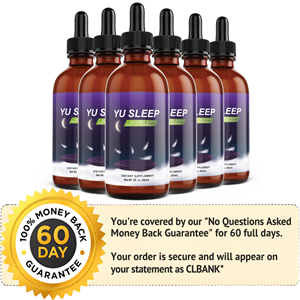
Yu Sleep is a liquid taken by dropper. The official page describes it as a "delicious, all-natural nano-enhanced sleep formula" and says it is designed to help people fall asleep faster, stay asleep through the night (it mentions 3 AM wake-ups) and wake up refreshed. Directions on the page: 2 droppers 30 minutes before bed.
We are describing the page, not vouching for it. If you want our summary of fit, see YU SLEEP (Sleep and Dreams): is it right for you?
What the page says it contains
The page lists these ingredients: Red Tart Cherry Extract, 5-HTP, Vitamin B6, Vitamin B2, Magnesium Glycinate, Apigenin, Lemon Balm Extract, L-Theanine, Melatonin and GABA. The only amount the page states is 0.9 mg of melatonin per serving.
The text we reviewed did not show a full supplement facts panel, serving count or bottle size. That means you cannot see the dose of the other nine items from what we reviewed. Check the full label before buying. Our guide to what's inside Yu Sleep goes through the ingredients, and how to read a sleep supplement label explains what to look for.
The mechanism claim
The page says Yu Sleep supports the brain's "sleep pressure system," and in the FAQ says it supports adenosine buildup, optimizes natural melatonin release and calms the nervous system. It also positions itself against high-dose melatonin or synthetic products that can leave people groggy.
These are the page's claims. The text we reviewed cites no studies, and the page credits "Dr. Collins" for decades of research without giving credentials or an institution we could verify. Treat the mechanism as marketing language until you see evidence you can check. For our assessment, read does Yu Sleep work? what the evidence supports, and the shorter answer on whether Yu Sleep works for waking up at 3am.
Pricing as shown on the page
The page sells a minimum 2-month package and says it is not sold in smaller packs. Prices are in USD and are shown as discounted and "While Supplies Last," so they may change. Confirm on the official page.
| Package | Page shows | Per unit | Total | Bonuses |
|---|---|---|---|---|
| 2-month | 30% off, save $60 | $69 (from $99) | $138 (from $198), + shipping | Not listed |
| 3-month | 40% off, save $120 | $59 (from $99) | $177 (from $297) | Three bonuses |
| 6-month | 50% off, save $300 | $49 (from $99) | $294 (from $594) | Three bonuses |
The page says the 6-month package works out to "$1.60" per night. Shipping is explicitly shown only on the 2-month package in the text we reviewed, so shipping may apply to the others. Check at checkout. For a fuller walkthrough, see buying Yu Sleep: price, where to buy and refunds.
The guarantee and bonuses
Each package is labeled "60 Day Guarantee." The text we reviewed gave no terms: no refund conditions, return process, whether shipping is refundable or whether opened bottles qualify. The page advertises a 60-day guarantee; read the full terms on the official page before buying.
The 3-month and 6-month packages include three bonuses, according to the page: a bedtime stories bundle (11 stories in eBook and audio), an eBook called "Younger and Happier While You Sleep," and a guide on bedtime snacks and drinks to avoid. These are extras. They do not change what is in the bottle, so don't let them drive the decision.
Downsides to weigh
- Commitment. The smallest package is two months. That is a real spend for something you have not tried.
- Unclear company details. The text we reviewed did not name a company, address or support contact.
- No cited studies. The page refers to research but, in the text we reviewed, cites none.
- Unlisted doses. Only the melatonin amount is stated. That makes it hard to judge the other nine ingredients.
- Unknown guarantee terms. A headline of 60 days is not the same as knowing how a refund works.
- Timeline claims. The page says most people notice changes within days, with some noticing on night 1, and that a "full sleep system reset" takes 3 to 6 months of consistent use. These are the page's claims, and your experience may differ.
- Multi-ingredient blend. If you react badly, it is harder to tell which ingredient is responsible.
We did not see a disclaimer in the text we reviewed; check the full page footer. Read how we handle these pages in how we review Yu Sleep: methodology and affiliate disclosure.
Ingredients people look for with early waking
Product labels for 3am waking often draw from the same short list. Knowing the general role of each helps you read claims critically. None of this is a promise that an ingredient will work for you.
- Melatonin. A hormone involved in sleep timing. It is more clearly linked to timing and falling asleep than to staying asleep, and doses vary widely between products. Check the amount per serving.
- Magnesium (such as glycinate). Often included for relaxation. Some people get digestive upset from magnesium, depending on form and amount.
- L-theanine. An amino acid commonly found in tea, often used for calm.
- Herbal extracts (lemon balm, apigenin and similar). Popular in blends, but the strength of the extract and the dose differ by brand and are often not disclosed.
- 5-HTP and GABA. Often used in sleep blends. 5-HTP in particular can interact with some medications, so ask a pharmacist if you take any antidepressants or similar drugs.
When you compare labels, look for amounts rather than ingredient lists alone. A blend that lists ten ingredients but gives one dose is hard to evaluate. If you want a shortlist of other formulas, see best Yu Sleep alternatives and Yu Sleep vs alternatives. For a single-ingredient contrast, there is Yu Sleep vs Natrol Melatonin.
 Recommended for youSleep Aid Types Compared: Drops, Gummies, Capsules and Powders
Timing and habits that matter more than the bottle
A sleep aid taken before bed cannot offset habits that undo the night. Use the list below as a baseline for any trial.
- Take it at the same time each night, following the label. Yu Sleep's page, for example, says to take it 30 minutes before bed.
- Don't add a dose at 3am unless the label or a clinician says it is fine. Extra doses can lead to morning grogginess.
- Keep caffeine earlier in the day. Keep alcohol well away from bedtime.
- Watch late snacks. Our guide on best foods and drinks before bed for sleep (and what to skip) has practical swaps.
- Keep light low if you wake. Avoid checking the time or scrolling, and get out of bed if you are awake for a long stretch and feel wound up.
- Judge by morning, not just the night. If you feel groggy, stop and reconsider. Our page on the best sleep aid to wake up refreshed without grogginess covers this trade-off.
Also give any trial a fair test. Keep your log going, change nothing else, and compare it with your baseline. If you see no difference, you have learned something useful and can stop.
Safety: who should speak to a professional first
This is general information, not medical advice. A pharmacist or doctor can check a product against your health history and medicines.
- Medications. Check first if you take sedatives, antidepressants, blood pressure drugs, blood thinners or anything that affects alertness.
- Pregnancy or breastfeeding. Talk to a clinician before using supplements.
- Children and teenagers. Do not assume adult products are suitable. See can teenagers take Yu Sleep.
- Alcohol, cannabis or CBD. Combining sedating substances can add up. Read Yu Sleep with cannabis or CBD: combined effects and risks.
- Driving and machinery. If a product makes you drowsy, do not drive or operate machinery.
- Known conditions. Ask first if you have a thyroid, liver or kidney condition, a seizure disorder or an autoimmune condition.
For more, see Yu Sleep safety, side effects and practical questions, and check the fit page who Yu Sleep is for (and who should skip it).
How to decide: a short framework
- Track your waking pattern and fix obvious triggers first.
- Rule out red flags with a clinician if they apply to you.
- Pick a format you will realistically use every night.
- Read the label for amounts, not just ingredient names.
- Check the price, shipping, minimum purchase and refund terms on the official page, not a summary.
- Run a tracked trial and stop if you feel worse or see no change.
If the minimum purchase or limited disclosure bothers you, that is a fair reason to look at something else. A good-fit product should still make sense once you remove the marketing.
Next steps
Start with the pillar guide, sleep aid types compared, if you are still choosing a format. If you are weighing Yu Sleep specifically, read what the evidence supports and then the buying guide before you visit the official page.
If you would rather begin with free changes, sleep better without buying anything is the place to start. Whichever route you take, keep your log going and speak to a professional if the waking persists.
Frequently asked questions
What is the best sleep aid to stop waking up at 3am?
There is no proven single best option, because 3am waking has many causes, including alcohol, stress, late caffeine, pain, reflux and sleep apnea. Supplements are one tool at most. Fix the obvious triggers first. If you try a product, pick a format you will use consistently and read the label closely. Persistent waking deserves a clinician's input.
Is there a supplement to stop waking at 3am?
Some people try melatonin, magnesium, L-theanine or herbal blends, but no supplement is guaranteed to stop 3am waking. Evidence varies by ingredient, and products differ in dose and quality. Treat any supplement as a short, tracked experiment. Speak to a pharmacist or doctor first if you take medication or have a health condition.
Which format is best for early waking: drops, capsules, gummies or powder?
The best format is the one you will take at the same time each night, with a label that shows clear doses. Drops are flexible but you must measure them. Capsules are simple and usually list doses. Gummies are easy but often contain sugar. Powders suit people who like a bedtime drink. None is proven better for 3am waking.
Should I take a sleep aid when I wake up at 3am?
Don't take an extra dose without advice. Many sleep products are designed to be taken before bed, and taking more in the middle of the night may leave you groggy the next morning. Check the label directions and ask a pharmacist or doctor if you are unsure. Also consider what is causing the waking.
Does Yu Sleep help with waking up at 3am?
The official page says Yu Sleep is designed to help people stay asleep, and it mentions 3 AM wake-ups. We could not verify that claim. The page cites no studies in the text we reviewed, and individual results vary. Consider the downsides, such as the two-month minimum purchase, before deciding.
When should I see a doctor about waking up at night?
See a clinician if night waking continues for weeks, if you snore loudly or gasp, if you feel unrefreshed or very sleepy by day, or if low mood or anxiety is involved. Also check in if you are pregnant, take medication, or consider combining sleep aids with alcohol or other sedating products.
How long should I try a sleep aid before deciding if it works?
Use a simple log. Track bedtime, wake times, caffeine, alcohol and how you feel in the morning for a couple of weeks before starting, then keep logging while you try one change at a time. Product pages may claim faster or slower timelines, but your own log is better evidence.
Keep reading
 Best Sleep Aid to Fall Asleep Faster: Top Picks by FormatLooking for the best sleep aid to fall asleep faster? Compare drops, gummies, capsules and powders,…
 Sleep Drops vs Capsules: Absorption, Convenience and Dose ControlSleep drops vs capsules: compare absorption, convenience and dose control, plus a checklist to help…
 Alcohol, Caffeine and Late Meals: How They Cause Night WakingAlcohol and waking up at night, plus caffeine and late meals: how each can fragment sleep, why 3am…