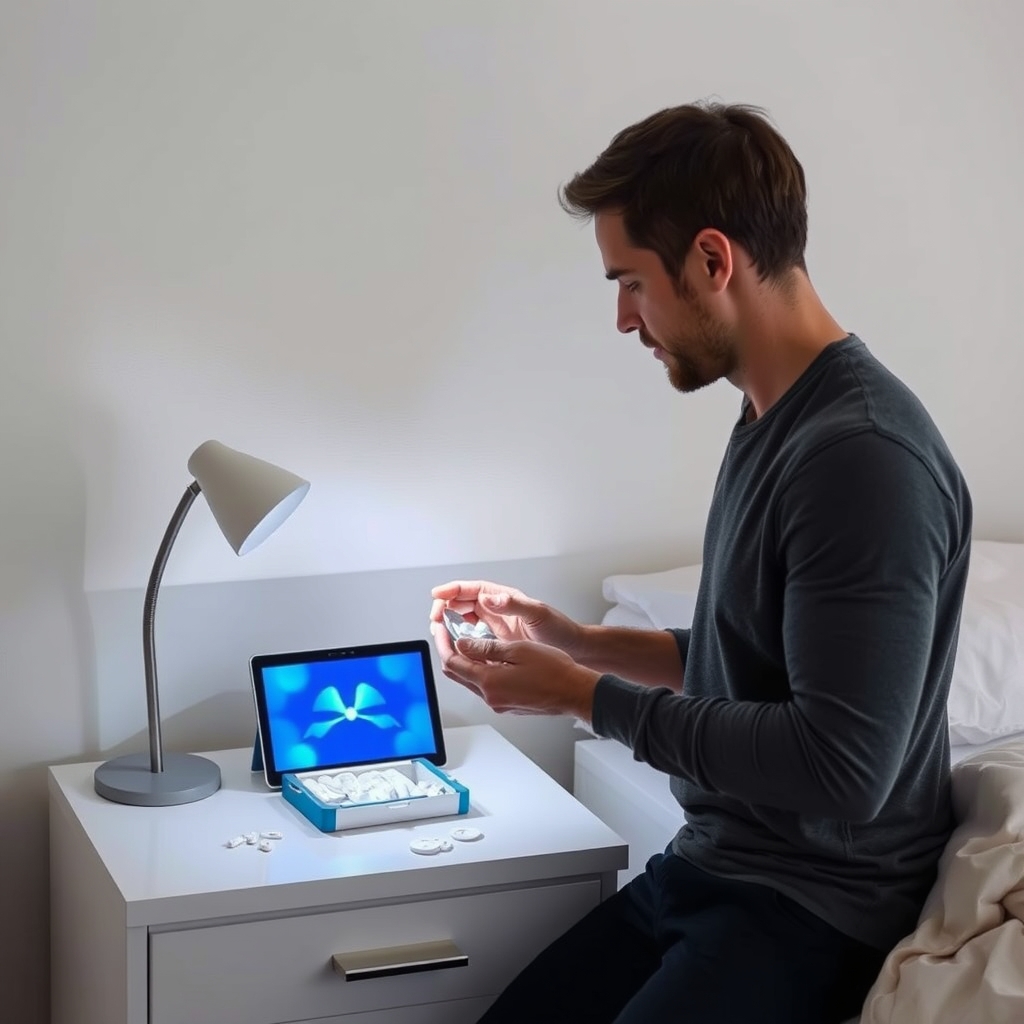
- First, check whether it's a falling-asleep problem
- What to look for in a sleep onset supplement
- Top picks by format: drops, gummies, capsules and powders
- Common ingredients, and what the evidence looks like
- Habits that often matter more than the product
- Where YU Sleep fits: a liquid option, and what its page says
- The downsides and unknowns to weigh before buying
- Safety checklist before you start any sleep aid
There is no single best sleep aid to fall asleep faster. The right pick depends on format, ingredients, dose and your health. Low-dose melatonin blends, magnesium and L-theanine products are common choices, and habits matter as much as pills. Check labels, avoid stacking products, and ask a clinician if sleep trouble persists.
If you want the best sleep aid to fall asleep faster, the honest first answer is that it depends on why you are awake. Lying in bed with a busy mind is a different problem from a body clock that runs late, and neither is solved by the same product. This guide sorts the options by format so you can match one to your situation.
We are an independent publication. We haven't used any of the products mentioned here, and we only cite what an official page or public research supports. Where we discuss YU Sleep, we describe what its sales page says and flag what we couldn't verify.
Use this page to narrow your choices, not to skip the label or a conversation with a pharmacist or doctor. A sleep onset supplement is a tool, and it works best alongside habits you control.
- There is no single best supplement to fall asleep fast. Format, ingredients, dose and your health all matter.
- Melatonin has the most research for sleep onset, but the average effect is modest and dose labels vary a lot.
- Pick the format you will actually use consistently, then judge it over a few weeks with a simple sleep log.
- Avoid stacking several sleep products at once, and check interactions if you take any medication.
- Trouble falling asleep that lasts weeks deserves a clinician, not just another bottle.
First, check whether it's a falling-asleep problem
Sleep trouble tends to show up in three ways: taking a long time to fall asleep, waking in the night, or waking too early. Products are often marketed for all three at once, which makes it hard to choose. Narrowing down your pattern helps you ignore claims that don't apply.
Ask yourself these questions for a week or two:
- How long does it feel like it takes you to fall asleep on most nights?
- Is your mind racing, or is your body restless or uncomfortable?
- Do you go to bed at very different times on weekdays and weekends?
- Are you using screens, caffeine or alcohol in the hours before bed?
- Do you also wake in the night? If so, our guide to sleep aids for 3am wake-ups covers that separate problem.
If worry about sleep itself is the main thing keeping you up, a supplement may not address the root cause. See why fear of not sleeping keeps you awake for what tends to help.
What to look for in a sleep onset supplement
Before comparing brands, set your own criteria. The checklist below applies to any product, in any format.
- A clear dose for each active ingredient. A "proprietary blend" that lists ingredients without amounts makes it hard to compare or to judge risk.
- A realistic melatonin amount, if it contains melatonin. Doses on the market vary a lot, and more is not always better. See our page on what a low melatonin dose does.
- Ingredients you can look up. If you can't find basic information on an ingredient, treat that as a flag.
- Directions you can follow. Timing, serving size and how long to use it should be on the label or page.
- Transparent seller information. A company name, contact details and refund terms matter if something goes wrong.
- No cure language. Claims like "permanent fix" or "fully restores your sleep" are marketing, not evidence.
Our guide to reading a sleep supplement label goes deeper on doses, blends and red flags.
Top picks by format: drops, gummies, capsules and powders
We don't rank individual brands here, because we haven't tested any and rankings would imply a certainty the evidence doesn't offer. Instead, here is how each format tends to suit different people. These are general tendencies, and individual products vary.
| Format | Often suits you if… | Watch for |
|---|---|---|
| Liquid drops | You want to adjust the amount, or dislike swallowing pills | Measuring each night, taste, and whether the label gives clear doses |
| Gummies | You want the easiest routine and enjoy the taste | Sugar content, dose variation between brands, and the temptation to eat extra |
| Capsules or tablets | You want a neutral taste and a fixed dose per serving | Swallowing difficulty, and the fact that the dose can't be fine-tuned |
| Powders | You like a drink-based wind-down ritual | Mixing time, taste, and the need to carry or prepare it when traveling |
| No product (habits first) | Your sleep problem is timing, light, caffeine or stress | Takes consistency, and results build over weeks |
Liquid drops
Drops are popular because the amount can be adjusted, and some people find them easier than pills. The tradeoff is that you need to measure accurately and the taste may not suit you. For a detailed look, see sleep drops vs capsules, and if you're wondering about mixing them into a drink, this short answer on mixing drops covers it.
Gummies
Gummies make a routine feel easy, which is their main advantage. The downsides are that doses can be inconsistent, they often contain sugar or sweeteners, and a candy-like format can invite taking more than directed. Read sleep drops vs gummies for a side-by-side view, and whether nightly gummies are safe if you plan to use them long term.
Capsules and powders
Capsules give you a fixed, tidy dose and no flavor. Powders turn the supplement into a ritual, which some people find calming, but they take more effort. If convenience will decide whether you stick with it, sleep drops vs powder compares nightly ease of use.
Common ingredients, and what the evidence looks like
Most sleep onset supplements combine a handful of familiar ingredients. Here is a plain summary of what public research generally supports. Evidence for most of them is limited or mixed, so treat them as options to try carefully, not guaranteed fixes.
- Melatonin. A hormone your body makes in the evening. Supplements show a modest average effect on how quickly people fall asleep, and work best when timing is the problem. Higher doses aren't necessarily better.
- Magnesium (including glycinate). Often used for relaxation. Research on sleep is mixed and not conclusive. See our magnesium glycinate for sleep page for typical amounts and side effects.
- L-theanine. An amino acid found in tea, commonly used for calm. Human evidence on sleep onset specifically is limited.
- 5-HTP. A compound related to serotonin. It can interact with some medications, including some antidepressants, so ask a pharmacist before using it.
- Herbal extracts such as lemon balm and apigenin. Traditionally used for relaxation, but strong human trial evidence for faster sleep onset is thin.
- GABA. A calming neurotransmitter. Whether oral GABA meaningfully affects the brain is debated, and evidence for sleep benefits is limited.
- Tart cherry. Studied in small trials, with modest and inconsistent findings.
The more ingredients in one product, the more you rely on the maker's dosing choices. That is why a label with clear amounts matters more than a long ingredient list.
Habits that often matter more than the product
Many people who struggle to fall asleep are working against their body clock without realizing it. Before or alongside a supplement, these changes cost nothing and have better evidence behind them than most pills.
- Keep a steady wake time. Anchoring your morning helps the evening follow. Our page on morning sunlight and your body clock explains why light exposure matters.
- Dim the last hour. Bright overhead light and screens can push sleepiness later.
- Watch caffeine and alcohol. Both can interfere with sleep, and alcohol may make you drowsy while disrupting the rest of the night.
- Eat sensibly in the evening. See the best foods and drinks before bed.
- Notice late-night stalling. If you stay up late for "me time," revenge bedtime procrastination may be the real issue.
For persistent insomnia, structured cognitive behavioral therapy for insomnia (CBT-I) is widely regarded as a leading non-drug approach. Ask a clinician about it if your sleep trouble has lasted weeks. Our guide to sleeping better without buying anything lays out a free starting routine.
See the details, current pricing and who it suits.
Check current optionsAffiliate link: we may earn a commission at no extra cost to you. Recommended for youSleep Aid Types Compared: Drops, Gummies, Capsules and Powders
Where YU Sleep fits: a liquid option, and what its page says
YU Sleep is one liquid option you may come across when searching for the best sleep aid for trouble falling asleep. The official page describes it as an "all-natural nano-enhanced sleep formula" taken by dropper. The directions say to take 2 droppers 30 minutes before bed. If you want a quick view of whether it suits your situation, our YU SLEEP recommendation page walks through that.
The page lists these ingredients: red tart cherry extract, 5-HTP, vitamin B6, vitamin B2, magnesium glycinate, apigenin, lemon balm extract, L-theanine, melatonin and GABA. The only dose it gives is 0.9 mg of melatonin per serving. We did not see amounts for the other ingredients, so you can't compare them to research doses. For a closer look, see what's inside YU Sleep.
The page says it is designed to help people fall asleep faster, stay asleep and wake refreshed. It positions itself against high-dose melatonin products that can leave people groggy, and says it supports the brain's "sleep pressure system." These are the seller's descriptions. The page cites no studies in the text we reviewed, so treat the mechanism as a claim, not an established result. For the evidence picture, read does YU Sleep work.
Price and package details (confirm on the official page)
Prices below are as shown on the page and may change. The page says "While Supplies Last," so confirm the current figures before you buy.
| Package | Listed discount | Per unit | Total shown |
|---|---|---|---|
| 2-month | 30% off, save $60 | $69 | $138 (from $198), plus shipping |
| 3-month | 40% off, save $120 | $59 | $177 (from $297) |
| 6-month | 50% off, save $300 | $49 | $294 (from $594) |
The page says the 6-month package works out to $1.60 per night. Shipping was explicitly shown only on the 2-month package in the text we reviewed, so shipping may apply to others. Check at checkout. The 2-month package is the minimum, and the page says smaller packs aren't sold. More on this in buying YU Sleep: price, where to buy and refunds.
The 3-month and 6-month packages come with three bonus items per the page: a bedtime story collection (11 stories in eBook and audio), an eBook on nightly rituals, and a guide to bedtime snacks to avoid. The page values the story bundle at "at least $97." The 2-month package isn't listed as including bonuses. We haven't reviewed the bonuses, so we can't speak to their quality.
The downsides and unknowns to weigh before buying
We always name the downsides, and there are several here worth considering.
- Commitment. The smallest package is two months. If you want to test a sleep aid for a week first, this format of sale doesn't allow it.
- Cost. The upfront cost is higher than a single bottle of most over-the-counter sleep supplements, particularly if shipping applies.
- Unclear dosing. Apart from 0.9 mg of melatonin, no ingredient amounts appeared in the text we reviewed.
- Unverified authority. The page credits "Dr. Collins" with "decades of research," but the text gave no credentials, institution or studies we could check. The page also didn't name a company or support contact in what we saw.
- Guarantee terms unknown. Each package is labeled with a 60-day guarantee, but we couldn't see refund conditions, the return process or whether shipping is refundable. Read the full terms on the official page before buying.
- Disclaimers. We did not see a disclaimer in the text we reviewed. Check the full page footer.
- Marketing claims. The page includes testimonials and big promises. We don't treat these as evidence, and you shouldn't either. See YU Sleep reviews, complaints and trust for how to read them.
The page also claims most people notice changes within days and that a "full sleep system reset" takes 3 to 6 months of consistent use. Those timelines come from the seller. If you try any sleep aid, set your own check-in, such as two to four weeks, and be ready to stop if it isn't helping.
Safety checklist before you start any sleep aid
Natural does not mean risk-free. Supplements can interact with medications and may not suit everyone. This is general information, not medical advice, so check with a pharmacist or doctor if any of these apply.
- You are pregnant, breastfeeding or trying to conceive. See whether YU Sleep is safe for women for the questions to ask.
- You take prescription medication, especially antidepressants, sedatives, blood pressure drugs or blood thinners.
- You have a planned procedure. Sleep supplements before surgery covers what to tell your care team.
- You have a medical condition such as an autoimmune disease, a seizure disorder, or a mood disorder.
- You have had a reaction to a supplement before. Know the warning signs of an allergic reaction and stop use if they appear.
- You drive or operate machinery early in the morning and are unsure how a product affects you.
Start with one product at a time. If you add several at once, you won't know what helped or what caused a side effect. For YU Sleep-specific questions, see YU Sleep safety, side effects and practical questions.
A simple way to test a sleep aid fairly
Judging a sleep aid by feel alone is unreliable, because expectation affects how we perceive sleep. A short log makes the comparison fairer.
- For one week before starting, write down your bedtime, roughly how long it took to fall asleep, and how you felt in the morning.
- Change only one thing: the supplement. Keep your caffeine, light and bedtime routines steady.
- Take it at the same time each night, following the label directions exactly.
- Keep logging for two to four weeks. Note any side effects such as grogginess, headaches or stomach upset.
- Compare the weeks. If nothing improved, or you feel worse, stop and talk to a clinician.
Next steps
Start by deciding whether your problem is falling asleep, staying asleep, or both, then pick a format you will use. If you're weighing YU Sleep against other options, read YU Sleep vs alternatives and best YU Sleep alternatives. To check whether it fits your situation, see who YU Sleep is for and who should skip it. If grogginess is your concern, sleep aids for waking up refreshed is the logical follow-up.
If you read our review methodology and affiliate disclosure, you'll see how we handle recommendations. And if your sleep trouble persists, a doctor or sleep specialist is the right next step, whatever you decide about supplements.
Frequently asked questions
What is the best supplement to fall asleep fast?
No supplement is best for everyone. Melatonin has the most research for sleep onset, and the effect is usually modest. Magnesium, L-theanine and herbal blends have thinner or mixed evidence. Choose a product with a clear label, a dose you understand, and ingredients that don't clash with your medications, then judge it over a couple of weeks.
How long before bed should you take a sleep aid?
Follow the directions on your specific product. For example, the YU Sleep page says to take 2 droppers 30 minutes before bed. Other products give different timing. If a label doesn't say, ask a pharmacist rather than guessing, and don't take extra doses because you aren't asleep yet.
Is melatonin the best sleep aid for trouble falling asleep?
Melatonin is one of the most studied options for sleep onset, but the average benefit is modest, and it works best for timing problems such as a late body clock or jet lag. Higher doses are not automatically better. Labels vary widely, so check the dose per serving and talk to a clinician if you take other medications.
Are liquid sleep drops better than gummies or capsules?
Not automatically. Drops let you adjust the amount, but they require measuring and may taste strong. Gummies are easy to take, but doses and sugar content vary. Capsules are compact and neutral in taste. The best format is the one you will use consistently, with a label that shows clear doses.
Does YU Sleep work on the first night?
The sales page says most people notice changes within days and some on night 1, but it cites no studies for this, and we can't verify it. Sleep supplements affect people differently. Treat the timeline as a marketing claim and judge results by your own sleep over several weeks.
How much does YU Sleep cost and is there a refund?
As shown on the official page, packages start at 2 months ($138, listed as reduced from $198, plus shipping that may apply). The 3-month is $177 and the 6-month is $294. Each is labeled with a 60-day guarantee, but the terms weren't in the text we reviewed. Confirm prices and refund conditions on the official page before buying.
Is it safe to take a sleep aid every night?
It depends on the product, your health and your medications. Nightly use of any sleep aid is worth discussing with a doctor or pharmacist, especially if you are pregnant, take prescription drugs, or have a medical condition. If you need something every night to fall asleep, that is a reason to look at the cause.
When should I see a doctor instead of buying a sleep aid?
See a clinician if trouble falling asleep lasts weeks, affects your daytime functioning, or comes with loud snoring, gasping, leg discomfort, low mood or heavy anxiety. A supplement can't diagnose or treat sleep apnea, depression or other conditions that disrupt sleep.
Keep reading
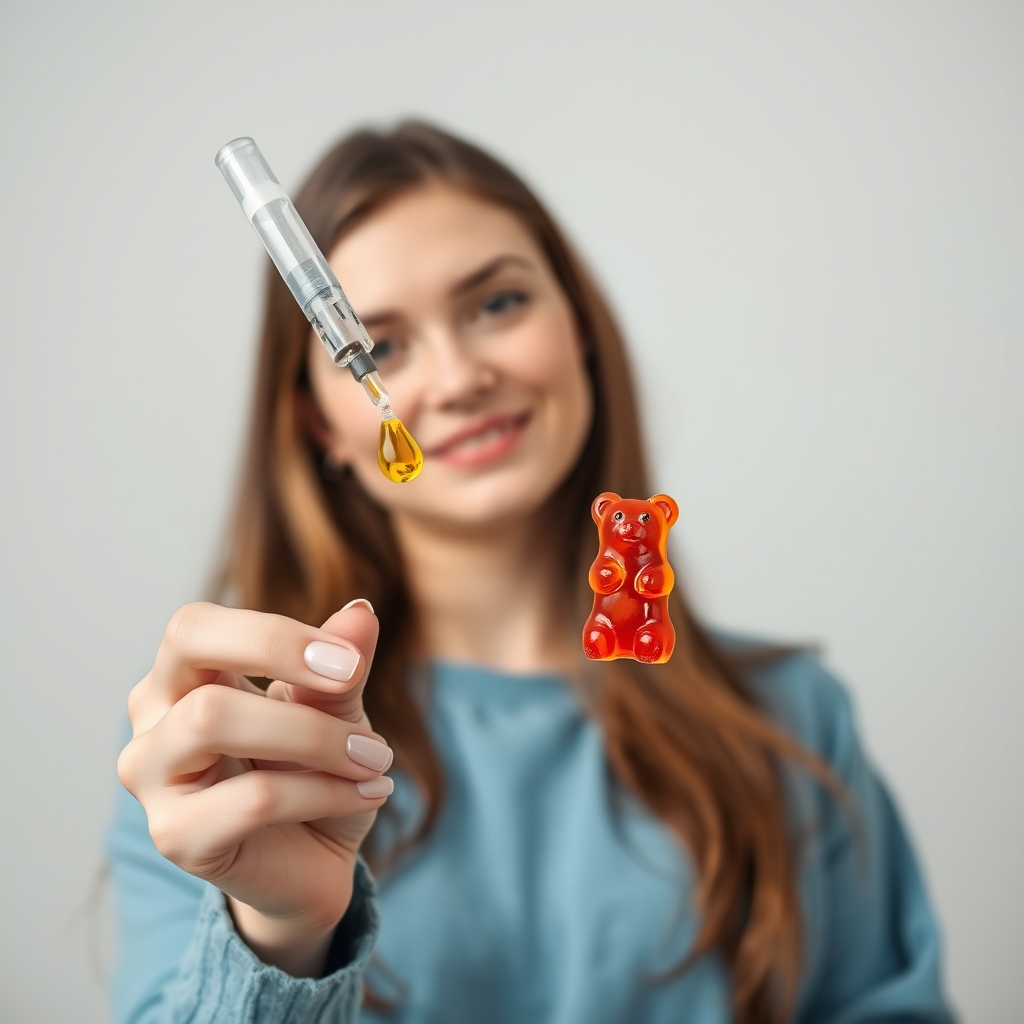 Sleep Drops vs Gummies: Which Format Works Better?Sleep drops vs gummies compared on dose control, taste, sugar, convenience and label accuracy, plus…
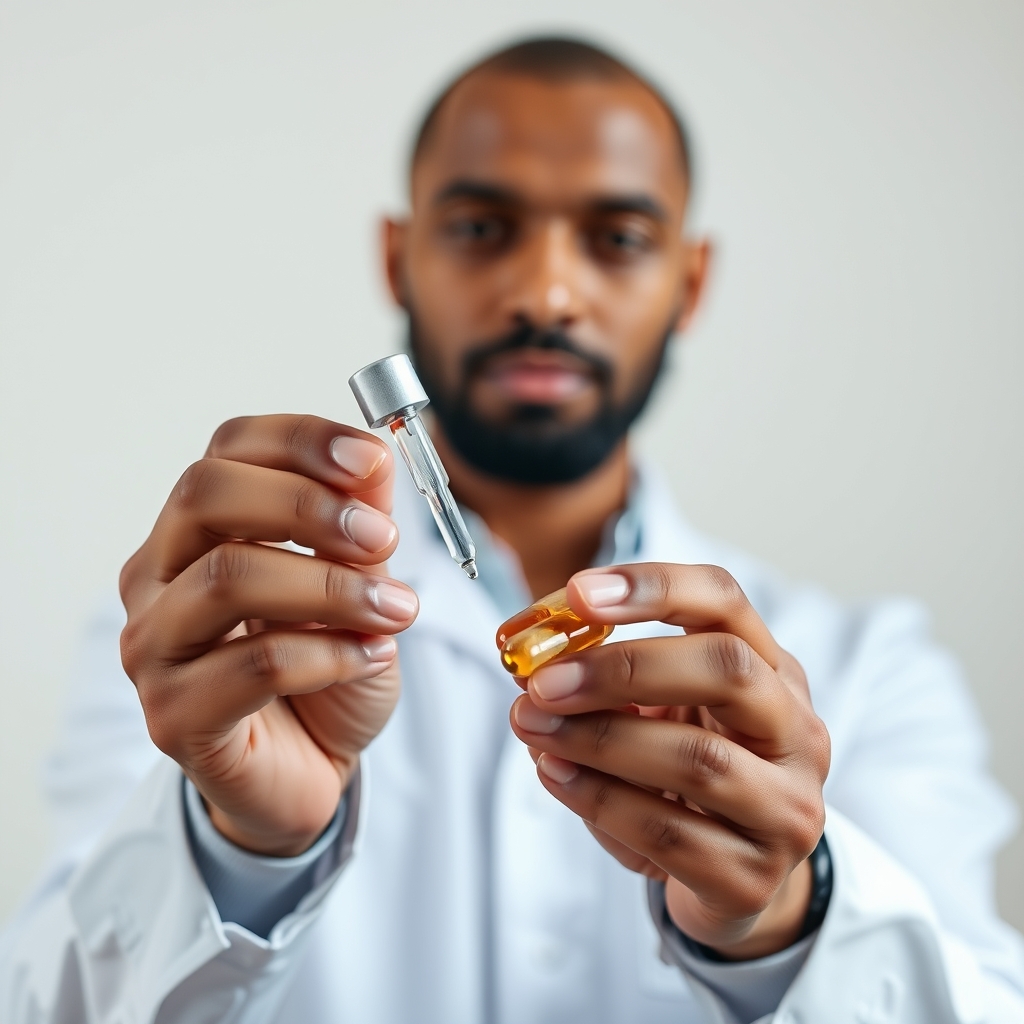 Sleep Drops vs Capsules: Absorption, Convenience and Dose ControlSleep drops vs capsules: compare absorption, convenience and dose control, plus a checklist to help…
 Melatonin 0.9 mg: What a Low Dose Does for SleepMelatonin 0.9 mg explained: what a low, physiological dose can and can't do, how timing matters, wh…
