- Sleep drops vs powder at a glance
- What "easier to use nightly" actually means
- How drops work as a nightly routine
- How powders work as a nightly routine
- Does liquid or powder work better for sleep?
- Dose control and label transparency
- Cost and commitment: what you pay for nightly use
- A simple way to choose between drops and powder
For most people, drops are easier to use nightly because there is nothing to scoop, stir or wash up, while powders suit people who like a warm drink ritual. The best format is the one you will take consistently, at the right dose, without hassle. Check the label and the real cost before you commit.
If you are choosing between sleep drops vs powder, the most useful question is not which format is "stronger." It is which one you will actually take, correctly, on a tired night when you would rather just go to bed. A sleep aid you skip half the time is not much of a plan.
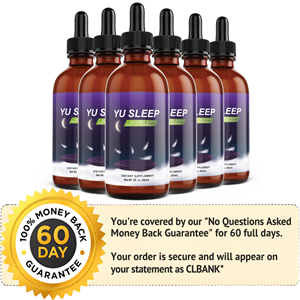
This guide compares liquid and powder sleep supplements on the things that decide nightly use: measuring, taste, mixing, cleanup, travel, shelf life and cost. We use Yu Sleep, a liquid taken by dropper, as a concrete example of the drops side. Yu Sleep is not a powder, and we do not claim to have used it. We report only what the official page says.
- Drops are usually the lower-effort format: no scooping, stirring or cup to wash.
- Powders can win if they come in pre-measured sticks or if a warm drink is part of your wind-down.
- Neither format is proven to work better for sleep. Ingredients, dose and your own health matter more.
- Check the total cost, the minimum purchase and the full refund terms before committing to either.
Sleep drops vs powder at a glance
This table summarizes general format differences. Individual products vary, so always read the actual label.
| Factor | Drops (dropper) | Powder |
|---|---|---|
| Steps per night | Fill dropper, take it | Measure or open a stick, mix, stir, drink |
| Dose measuring | Dropper line; easy to under- or over-fill if rushed | Scoop or pre-measured stick; scoops can vary in how packed they are |
| Taste control | Concentrated taste, but small volume | Diluted in a drink, so you can adjust, but larger volume |
| Cleanup | Almost none | Cup and spoon or shaker |
| Travel | One bottle; leak and liquid-rule considerations | Sticks pack flat; tubs are bulkier |
| Ritual value | Quick, clinical | Can feel like a calming warm-drink routine |
| Bathroom trips | Little fluid involved | A full glass close to bedtime may add one |
For a broader view that includes gummies and capsules, see our pillar guide, Sleep Aid Types Compared: Drops, Gummies, Capsules and Powders.
What "easier to use nightly" actually means
Ease is not one thing. It is a handful of small frictions that add up over weeks. A format that is fine for three nights can become irritating by night twenty.
Run your own routine against this list of friction points:
- Prep time: Will you do it at 10:45 pm when you are already winding down?
- Equipment: Do you need a cup, spoon or shaker, and will they be clean and nearby?
- Taste tolerance: Would you be okay with the flavor every single night?
- Measuring accuracy: Can you reliably take the same dose each time?
- Timing: Does the product ask you to take it a set time before bed?
- Location: Do you sleep at home every night, or travel often?
If three or more of these point toward fewer steps, drops are probably the easier fit. If your evening already includes a warm drink and you enjoy it, powder may slot in without adding effort.
How drops work as a nightly routine
A dropper is a measuring tool and a delivery method in one. You fill it to the marked line and take it. There is no stirring, and a bottle on the nightstand is hard to forget.
Yu Sleep shows how this plays out. The official page describes it as a liquid and gives these directions: "2 droppers of Yu Sleep 30 minutes before bed." That two-part instruction means a small amount of attention to measurement and a timing step. Setting a phone reminder for 30 minutes before your target bedtime is a practical way to build the habit.
Downsides of drops
- Taste is concentrated. The page calls Yu Sleep "delicious," but taste is personal, and we cannot verify it.
- Dropper accuracy depends on you. Squinting at a fill line in dim light is a common way to get inconsistent doses.
- Storage and leaks. Liquids can spill in a bag, and some may need particular storage. Check the label.
- Serving count is unclear. In the text we reviewed, the page did not show a full supplement facts panel, serving count or bottle size. Confirm these on the official page before buying.
If you are curious whether drops can be diluted, read can you mix sleep drops into water or tea. For Yu Sleep, follow the directions on the official page and confirm any mixing guidance there.
How powders work as a nightly routine
A sleep powder is typically stirred into water or another drink. That adds steps, but it also builds a small ritual. Some people find that preparing a warm drink helps signal that the day is over, which is a behavioral effect separate from the ingredients.
Downsides of powders
- More steps. Open, measure, mix, stir, drink, rinse. On a tired night, each step is a chance to skip it.
- Dissolving problems. Some powders clump or leave a gritty texture, especially in cold water.
- Scoop variability. A heaped scoop and a level scoop are not the same dose. Pre-measured sticks avoid this.
- Fluid volume. A full glass near bedtime can mean a night-time bathroom trip.
- Mix-ins matter. Warm milk, tea or juice add their own sugar, caffeine or acidity. If you choose tea, check that it is caffeine-free.
Powders suit people who like the ritual, want to control flavor by adjusting dilution, or prefer not to take a concentrated liquid straight. Our guide on the best foods and drinks before bed covers what else may be worth pairing with, or avoiding alongside, a nightly drink.
Does liquid or powder work better for sleep?
We are not aware of reliable public research showing that one format beats the other for sleep in general. Marketing sometimes claims liquids absorb faster, but speed of absorption depends on the specific ingredient, its dose and the person. Faster is also not automatically better for sleep.
Yu Sleep's page describes the formula as "nano-enhanced," but it does not cite studies in the text we reviewed, so treat that as a brand description, not evidence. A sensible rule: choose format for convenience and tolerance, and judge effectiveness by the ingredients and doses on the label.
That is why label-reading matters more than the format debate. Our guide to reading a sleep supplement label explains doses, blends and red flags.
Dose control and label transparency
The best format for nightly use is one where you can tell exactly what you are taking. That is where both formats can fall short.
Yu Sleep lists these ingredients on its page: Red Tart Cherry Extract, 5-HTP, Vitamin B6, Vitamin B2, Magnesium Glycinate, Apigenin, Lemon Balm Extract, L-Theanine, Melatonin and GABA. The only amount the page gives is 0.9 mg of melatonin per serving. Amounts for the other ingredients were not shown in the text we reviewed, so you cannot compare them against typical research doses from that text alone.
Before you buy any drop or powder, look for:
- A full supplement facts panel with an amount for every active ingredient.
- A clear serving size (how many droppers, scoops or sticks).
- The number of servings per bottle or tub.
- Any proprietary blend that hides individual amounts.
- Allergen and "other ingredients" lists, including sweeteners and flavorings.
For background on two ingredients you may see in either format, read what a 0.9 mg melatonin dose does and magnesium glycinate for sleep. For the full Yu Sleep ingredient list, see What's Inside YU Sleep.
 Recommended for youSleep Drops vs Gummies: Which Format Works Better?
Cost and commitment: what you pay for nightly use
Format affects cost in ways that are easy to miss. Powders may be sold in tubs or boxes of sticks, and drops in bottles, but the number that matters is the cost per night and what you must commit to up front.
For Yu Sleep, the official page shows these packages (USD, subject to change):
| Package | Page discount | Per unit | Total shown |
|---|---|---|---|
| 2 months | 30% off, save $60 | $69 (struck-through $99) | $138, "+ shipping" |
| 3 months | 40% off, save $120 | $59 (struck-through $99) | $177 |
| 6 months | 50% off, save $300 | $49 (struck-through $99) | $294 |
The page says the 6-month package works out to "$1.60" per night. That is the page's figure, and we have not verified it. The page also says Yu Sleep is not sold in packs smaller than two months, and it uses "While Supplies Last" and "Discounted" wording. Shipping was explicitly shown only on the 2-month package, so shipping may apply; check at checkout.
The 3-month and 6-month packages are listed with three bonus items, including a bedtime stories bundle and two guides. The 2-month package is not listed as including them. Those are extras, not part of the sleep formula, so do not let them drive the decision. For the full pricing breakdown, see Buying YU Sleep: Price, Where to Buy and Refunds.
See the details, current pricing and who it suits.
Check current optionsAffiliate link: we may earn a commission at no extra cost to you.A simple way to choose between drops and powder
If you are still undecided, use this short decision path. It takes about two minutes and points you to a format based on your habits instead of on marketing.
- Count your evening steps. If you already skip routines when tired, favor the format with the fewest steps (usually drops or pre-measured sticks).
- Test your taste tolerance. Buy a small, low-commitment option of any sleep product, if available, before a large purchase. Minimum-order products make this harder, so factor that in.
- Check your travel pattern. Frequent travelers may prefer flat single-serve sticks; check airline liquid rules if you carry a dropper bottle.
- Read the label. Eliminate any product that hides doses or lacks a serving count.
- Calculate cost per night. Include shipping and any minimum purchase, and confirm current prices on the official page.
- Review the refund terms in full. A headline guarantee is not the same as a clear process.
If your interest is specifically a quick bedtime liquid, our best sleep aids to fall asleep faster by format page compares options. You can also see how drops stack up against other formats in sleep drops vs capsules and sleep drops vs gummies.
Safety, timing and when to talk to a professional
Format does not change the basic safety questions. Nightly use of any supplement is a longer-term decision than a one-off, and ingredients such as melatonin, 5-HTP, magnesium and herbal extracts can interact with some medications or conditions. This is general information, not medical advice.
Speak with a doctor or pharmacist before nightly use if any of these apply:
- You are pregnant, trying to conceive or nursing.
- You take prescription medication, especially antidepressants, sedatives or blood pressure medicines.
- You have a medical condition, or are managing one with a clinician.
- You are giving a supplement to a child or teen.
- Your sleep trouble is persistent, severe, or comes with loud snoring, gasping or daytime sleepiness.
Major US health bodies recommend that adults get at least seven hours of sleep regularly, so ongoing trouble reaching that is worth raising with a professional rather than handling by format choice alone. Also, the page did not name who should avoid Yu Sleep in the text we reviewed, and we did not see a disclaimer in that text; check the full page footer. For more, see YU Sleep Safety, Side Effects and Practical Questions and Who YU Sleep Is For (and Who Should Skip It).
Setting realistic expectations for any nightly sleep aid
Whatever you pick, be careful with timelines. The Yu Sleep page says most people notice changes within days, with some noticing on night 1, and that a "full sleep system reset" takes 3 to 6 months of consistent use. Those are the page's claims, and we cannot confirm them. Results vary widely between people.
Habits often do as much as the product. If you have not yet tried the free basics, such as consistent wake times, morning light and cutting late caffeine, start there. Our pages on sleeping better without buying anything and morning sunlight and your body clock cover them, and they pair well with any format.
Next steps
Pick the format that removes the most friction from your evening, then verify the label, total cost and refund terms before paying. If you are weighing Yu Sleep specifically, our page YU SLEEP (Sleep and Dreams): is it right for you? summarizes the offer, and Does YU Sleep Work? What the Evidence Supports looks at what the evidence does and does not show.
If you are still comparing, YU Sleep vs Alternatives is the logical next read. For a full view of the formats, return to our sleep aid types comparison.
Frequently asked questions
Are sleep drops easier to take than sleep powder?
Usually, yes, for the mechanics. A dropper needs no mixing, no cup and no cleanup, so there is less to skip on a tired night. Powders can be just as easy if they come in pre-measured sticks. Taste, your bedtime routine and how fussy you are about measuring matter more than the format itself.
Is liquid sleep supplement absorbed faster than powder?
We are not aware of solid public research showing that liquid or powder reliably works better for sleep overall. Absorption depends on the specific ingredient, the dose and the person. Some brands market liquids as faster, but treat that as a marketing claim unless the page cites actual studies.
How do you take Yu Sleep?
The official page's directions are 2 droppers of Yu Sleep 30 minutes before bed. It is a liquid taken by dropper, not a powder. Check the official page for the latest directions and any guidance on mixing, since we only report what the page states.
Can you mix sleep powder with warm tea or milk?
Many powders are designed to be stirred into water, and some people use warm drinks, but heat and acidity can affect certain ingredients and taste. Follow the label. If the label is silent, ask a pharmacist. Also check the caffeine content of any tea you choose.
Which is better for travel, drops or powder?
Single-serve powder sticks are compact and easy to pack, while a dropper bottle is one item but may leak or raise liquid-carrying questions in hand luggage. Check airline rules for liquids if you fly. Neither is clearly better; it depends on how you pack.
Is it safe to take a sleep supplement every night?
It depends on the ingredients, your health, your medications and your age. Melatonin, magnesium and herbal ingredients can interact with some medicines or conditions. If you are pregnant, nursing, taking prescriptions or have a medical condition, ask a doctor or pharmacist before nightly use.
What should I check before buying a sleep drop or powder?
Read the supplement facts panel for ingredient amounts, the serving size, how many servings per container, and the total cost per night. Look at refund terms in full, not just the headline. Be wary of vague proprietary blends that hide doses.
Keep reading
 Sleep Drops vs Capsules: Absorption, Convenience and Dose ControlSleep drops vs capsules: compare absorption, convenience and dose control, plus a checklist to help…
 Best Sleep Aid to Fall Asleep Faster: Top Picks by FormatLooking for the best sleep aid to fall asleep faster? Compare drops, gummies, capsules and powders,…
 Best Sleep Aid to Stop Waking Up at 3am: Top Picks by FormatLooking for the best sleep aid for waking up at 3am? Compare drops, capsules and gummies, plus down…